Cleaning School Playgrounds Without Damaging Surfaces
School playgrounds in Melbourne work hard. They deal with heavy foot traffic, strong UV exposure, sudden weather changes, leaf litter, bird droppings, mould, and the everyday mess of hundreds of children. Keeping these spaces clean is essential for health and safety, but the wrong cleaning method can cause lasting damage to the surfaces that protect children from falls. This guide explains how to clean the most common playground surfaces safely and effectively, and how to avoid costly mistakes.
Why Surface-Safe Cleaning Matters
Playground surfaces are not just decorative. Soft-fall rubber, synthetic turf, and engineered wood fibre are designed to absorb impact, and Australian Standards such as AS 4685 (playground equipment) and AS 4422 (playground surfacing) set expectations for impact attenuation. Aggressive cleaning can break down rubber binders, flatten turf fibres, strip protective coatings, or displace loose-fill material. Any of these can reduce the cushioning performance of the surface and increase the risk of injury.
Damage also affects budgets. Replacing a worn rubber surface or resurfacing a court can cost many thousands of dollars, so choosing the right cleaning approach protects both children and school funds.
Know Your Playground Surface Before You Clean
Different surfaces need different methods. Before starting any cleaning program, identify what is underfoot and check for manufacturer care guidelines.
Poured-in-Place and Rubber Tile Surfaces
Rubber softfall is porous and bonded with polyurethane binders. High-pressure water can erode the binder, lift the surface, and create rough or crumbling patches. Use low-pressure washing, typically below 1,500 psi, with a wide fan nozzle held at a distance. A soft-bristle brush and a pH-neutral detergent will lift grime without stripping the surface. Avoid solvent-based cleaners, strong acids, and harsh degreasers, which can cause the rubber to become brittle or discoloured.
Synthetic Turf
Artificial grass needs regular debris removal and occasional deep cleaning. Start with a leaf blower or stiff broom to remove leaves and litter, then rinse with low-pressure water. For stains or odours, use a mild, turf-safe disinfectant. Do not use high-pressure jets directly on the fibres or infill, because this can displace the infill (such as sand or rubber granules) and leave bare patches. Brush the pile upright after cleaning to maintain its appearance and shock absorption.
Wood Chip, Mulch, and Loose-Fill Surfaces
Loose-fill softfall should never be pressure washed. Instead, rake and sieve the material regularly to remove litter, animal waste, and glass. Top up depth to the level recommended for the fall height of the equipment, and replace material that has become compacted, contaminated, or mouldy. Pay special attention beneath swings and slides where material is displaced most quickly.
Concrete, Asphalt, and Painted Court Surfaces
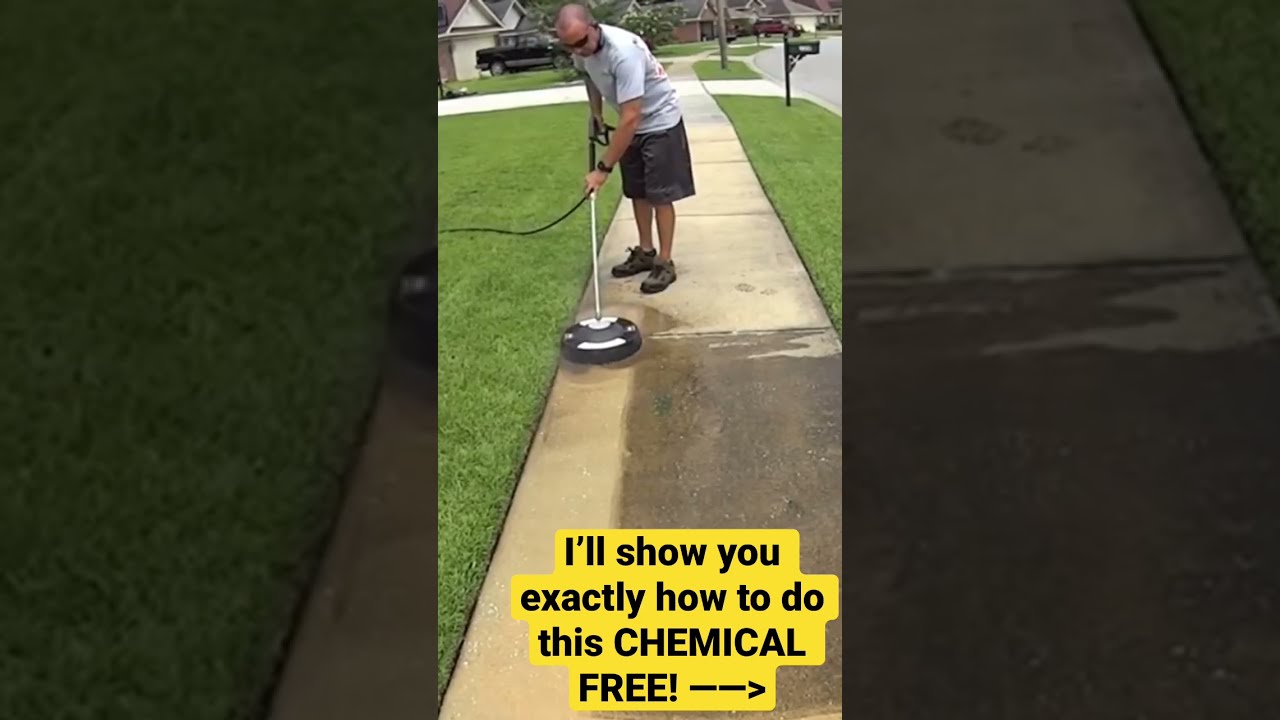
Hard surfaces tolerate more pressure but still need care. Excessive pressure or a turbo nozzle can etch concrete, expose aggregate, and strip line markings and sealed coatings. Use a flat-surface cleaner attachment for even results and keep the nozzle moving. On painted four-square courts, handball areas, and line marking, test a small area first to confirm the https://melbournepressurecleaningpros.com.au/house-washing/ paint will not lift.
Playground Equipment: Plastic, Metal, and Timber
Plastic and powder-coated metal can be washed with warm water, mild detergent, and a soft cloth or sponge. Avoid abrasive pads that scratch the finish and create places for bacteria to collect. Timber structures should be cleaned with a soft brush and low-pressure water, then inspected for splinters, cracking, and rot. Where a timber sealant or stain is used, follow the manufacturer's recoating schedule.
Choosing Safe Cleaning Products
Children touch playground equipment, sit on surfaces, and often put their hands in their mouths, so product choice matters. Look for these qualities when selecting cleaning agents:
- pH-neutral or mildly alkaline formulas that clean effectively without degrading rubber, paint, or coatings.
- Biodegradable and low-toxicity ingredients, especially important because runoff may reach stormwater drains and local waterways such as the Yarra and Maribyrnong catchments.
- Low-residue products that rinse away completely and leave no slippery film.
- Hospital-grade or school-appropriate disinfectants for high-touch points, used according to label instructions and contact times.
- Mould and algae treatments designed for outdoor use and compatible with the surface material.
Always check safety data sheets and follow dilution rates. More product does not mean better results, and over-concentrated solutions can leave residue or damage surfaces.
Safe Cleaning Process: Step by Step
- Inspect the site. Walk the playground to identify surface types, damage, hazards such as broken glass or needles, and problem areas like mould or stains.
- Clear debris. Remove leaves, litter, sticks, and loose material using brooms, blowers, or rakes.
- Test a small area. Try your chosen method and product on an inconspicuous patch to check for discolouration or surface wear.
- Pre-treat stains and mould. Apply an appropriate cleaner and allow the recommended dwell time without letting it dry on the surface.
- Wash with controlled pressure. Use a wide fan nozzle, maintain distance, and work in consistent sections.
- Rinse thoroughly. Remove all detergent residue so surfaces are not slippery and children are not exposed to chemical traces.
- Allow to dry fully. Keep the area closed until surfaces are dry and safe for use.
- Re-inspect and record. Note any damage found, update maintenance logs, and report hazards to the school's facilities manager.
Melbourne-Specific Considerations
Melbourne's variable climate creates particular challenges for school playgrounds. Cool, damp winters encourage moss, algae, and mould on shaded surfaces, which can become slippery. Hot summers bring intense UV exposure that fades equipment and makes rubber and plastics more vulnerable to cracking, so gentle cleaning and appropriate protective treatments are important. Autumn leaf drop from deciduous trees can clog drainage and stain surfaces if not removed promptly.
Water use is another factor. Victorian water authorities periodically introduce restrictions, and schools often want to demonstrate responsible water management. Efficient methods such as surface cleaners, targeted spot treatment, and water-saving equipment help reduce consumption. Wastewater from cleaning should be managed so that detergents and contaminants do not enter stormwater drains, which flow untreated to local creeks and Port Phillip Bay.
Timing and Scheduling Around the School Year
The best time for deep cleaning is outside normal school hours. Many Melbourne schools schedule major work during the term breaks, particularly the summer holidays from December to January and the shorter breaks in April, July, and September. After-hours and weekend cleaning is also common for routine maintenance. Scheduling work when students are absent avoids exposure to chemicals, noise, and wet slippery surfaces, and gives surfaces time to dry and cure properly.
A practical maintenance rhythm includes daily or weekly litter removal, monthly checks of loose-fill depth and equipment condition, and a thorough wash once or twice a year depending on tree cover, location, and usage levels.
Health, Hygiene, and Safety Compliance
Schools have a duty of care to provide a safe environment, and cleaning plays a role in meeting that obligation. Contractors working on school grounds in Victoria are generally required to hold a current Working with Children Check, carry appropriate public liability insurance, and follow the school's site induction and safety procedures. Reputable providers will also supply risk assessments, safe work method statements where required, and safety data sheets for the products they use.
When cleaning for hygiene, focus on high-touch areas such as handrails, climbing frames, swing chains, and seating. Bird droppings, animal waste, and spilled food should be removed promptly using appropriate protective equipment. Any discovery of sharps or hazardous waste should be handled according to school procedures and local council guidance rather than cleaned up casually.
Common Mistakes to Avoid
- Using high-pressure washing on rubber softfall, synthetic turf, or timber.
- Applying bleach or strong chemicals without checking surface compatibility.
- Skipping a patch test before treating the whole area.
- Leaving detergent residue that creates slip hazards or attracts dirt.
- Letting cleaning products run into stormwater drains.
- Reopening the playground before surfaces are completely dry.
- Ignoring early signs of surface wear, such as crumbling, cracking, or compaction.
When to Call a Professional Cleaner
Routine litter removal can be handled by school staff, but a professional service is worth considering for deep cleans, large areas, persistent mould, graffiti, or surfaces that require specialist care. Professionals have calibrated equipment, know the correct pressure and chemistry for each surface, and can document the work for compliance and asset management records.
When choosing a provider, ask about their experience with school environments, their approach to different surface types, the products they use, their insurance and clearances, and how they manage wastewater. A good contractor will inspect the site first and recommend a method suited to your surfaces rather than offering a one-size-fits-all pressure wash.
Looking Ahead
As of 2026, schools across Melbourne are paying closer attention to sustainability, shade structures, and long-lasting surface materials. Eco-friendly cleaning products, water recycling systems, and more durable softfall options are becoming more common, and these trends are expected to continue into 2027 and beyond. Building gentle, regular maintenance into the school calendar now will extend the life of playground surfaces and keep them safe, hygienic, and welcoming for students.
Key Takeaways
Cleaning school playgrounds without damaging surfaces comes down to knowing what you are cleaning, using the right pressure and products, and working at the right time. Match your method to the surface, test before committing, rinse thoroughly, and keep records of maintenance. With a careful approach, Melbourne schools can maintain clean, safe, and durable play spaces that protect both children and the school's investment.
Melbourne Pressure Cleaning Pros
(03) 8007 3103
Corrections
Spot something wrong? Send it to the desk and it gets fixed in the open.